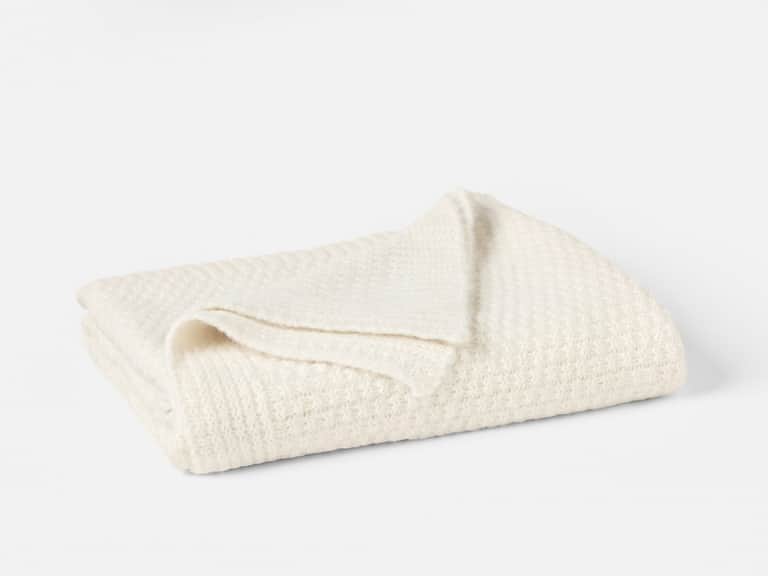
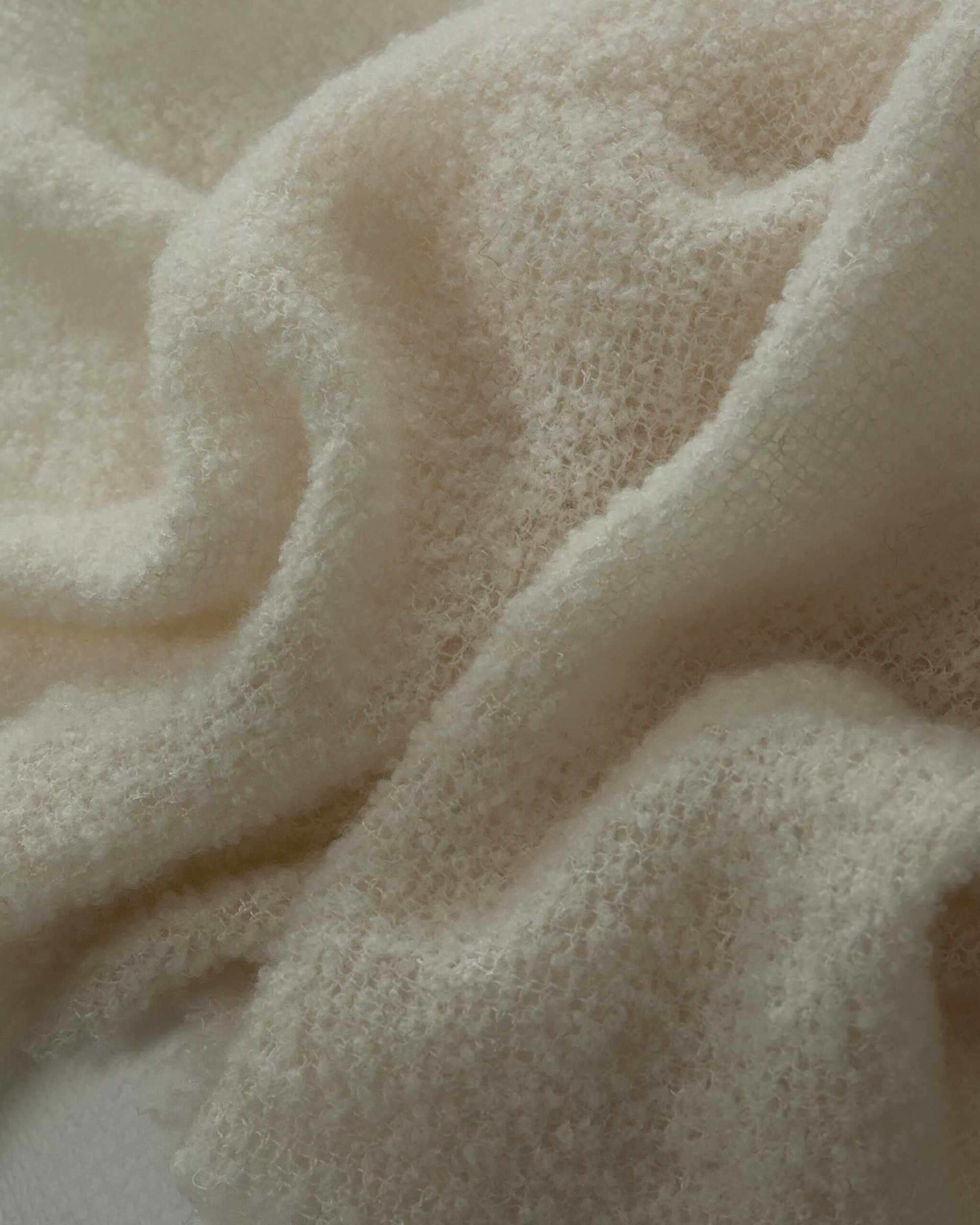
Cashmere vs. Wool Hats: A Material-by-Material Buying Guide
Explore the key differences between cashmere and wool hats, including warmth, softness, durability, and care considerations. This guide helps readers compare materials and choose the right hat for cold weather and luxury preferences.
Published 2026-09-24
A Prelude: Why Materials Matter in Hatwear
The hat is more than a shield against cold; it is a signal. The choice of fiber communicates warmth, weight, texture, and long-term care expectations. When you select a hat, you’re selecting a daily companion that carries tactile memory—how it feels in your hands, what it does to your outfit, and how it ages with you.
Cashmere and wool sit at opposite ends of a spectrum that fashion and textiles have refined over centuries. Cashmere offers a hush of luxury—an extraordinarily soft hand, a light yet insulating warmth, and a drape that feels almost weightless. Wool, by contrast, brings rugged dependability: warmth that remains steady in damp winter air, resilience against wear, and a character that can range from rustic to refined depending on the weave, finish, and fiber grade. This guide examines those character traits with a practical buyer’s lens, drawing on material science, fashion history, and the realities of care in daily life.
Understanding Cashmere: The Luxury Fiber Across Hats
Cashmere is not a single fiber but a family of fine undercoat hairs harvested from cashmere goats. The premium you pay for cashmere in a hat correlates with fiber length, fineness, and the density of the knit. In hats, cashmere is typically blended or used in higher-thread-count knits to provide a supple, velvet-soft surface that feels indulgent against the skin. However, the softness comes with a trade-off: cashmere fibers are prone to pilling and require gentler care than some wool blends. Brands often pair cashmere with wool blends or silk to balance handfeel with durability and to reduce maintenance demands over time.
Key properties of cashmere hats include:
- Insulation-to-weight ratio: exceptional warmth with light weight
- Hand feel: famously soft, often described as luxurious
- Care needs: usually dry-clean or gentle hand wash with air drying
- Aesthetic: a refined, plush texture that can elevate simple silhouettes
Understanding Wool: The Practical, Trustworthy Workhorse
Wool is a broad umbrella covering many breeds and fiber preparations—from Merino’s fine, soft cross-section to rugged, heavy-weight worsted wools. In hats, wool is often engineered for warmth without excessive bulk, and it can carry superior durability, shape retention, and moisture management. Modern wool blends frequently incorporate viscose, nylon, or acrylic to enhance elasticity, elasticity, and felting resistance. The result is a hat that stands up to daily wear, even in challenging weather, while maintaining a degree of softness and comfort that cashmere cannot always guarantee.
Key properties of wool hats include:
- Warmth-per-weight efficiency
- Durability and resilience against creasing and snagging
- Moisture management and breathability
- Ease of care: many wool hats are machine-washable or hand-washable depending on weave and finish
Practical Decision-Making: When to Choose Cashmere or Wool
Choosing between cashmere and wool for a hat should start with intent: what climate you’ll face, how often you wear it, and how much maintenance you’re willing to undertake. A luxury cashmere hat is a nod to refinement—excellent for dry, cold days when the goal is a soft, luxurious touch that elevates an outfit. It shines in scenarios where weightlessness matters—commuting through city streets, attending an outdoor wedding with a tailored coat, or lounging in a refined cabin with ambient lighting.
A wool hat is your workhorse for durability and year-round utility. It handles damp, windy conditions with aplomb and resists pilling more robustly than many cashmere variants. It’s ideal for daily wear, travel, and climates where temperature fluctuations are common. For many readers, the best approach is a capsule: a cashmere hat for special occasions or indoor warmth, and a versatile wool model for everyday use and rougher conditions.
Care guidance helps you preserve the life of each material. Cashmere typically enjoys gentle care—dry cleaning or hand washing with a mild detergent and air drying—to maintain soft loft and surface texture. Wool hats vary widely; some are machine-washable on a delicate cycle, while others demand dry cleaning or careful hand washing to sustain shape and weave integrity. Always consult the label and consider a reversible or multi-fiber weave if you want to balance expense with longevity.
A Starter Buying-Checklist: How to Evaluate Quality
Here is a practical checklist distilled from industry norms and editorial experience. Use it when you are in a store or browsing online catalogs to compare options across brand lines such as Coyuchi, DownTown Company, and others that echo the same ethos of premium fibers and careful construction.
- Fiber content: Confirm the exact blend if it’s not pure cashmere or pure wool. Higher cashmere content typically yields a richer hand feel but may affect durability and care needs.
- Weave and knit: Examine the density of the knit. A denser knit generally indicates better insulation and durability, but be mindful of bulk that could affect fit and comfort.
- Finish and edge work: Look for even stitching, clean edges, and minimal loose threads. A well-finished edge helps maintain shape and reduces fuzzing over time.
- Shell fabric: For cashmere hats, the outer surface should be smooth with a gentle nap; for wool hats, a clear pattern and consistent texture often signal quality.
- Care instructions: Check whether the care guidance matches your lifestyle. Dry-clean-only items require more planning; machine-washable options offer convenience but may require gentler cycles and wool-safe detergents.
- Fit and sizing: Hats vary in sizing and stretch. If possible, try on or measure head circumference to ensure a comfortable, secure fit without excessive pressure.
- Ethical and sustainability signals: Look for certifications, responsible-sourcing claims, and transparency about origin—especially important for premium fibers.
These criteria reflect a balance between luxury, practicality, and long-term value. When you apply them, you’ll make more informed choices that align with your personal taste and budget.
A Nod to Notable Voices: Time-Tempered Perspectives on Hats and Textiles
The discourse around hat materials—cashmere and wool—has been enriched by thinkers and designers across diverse eras. Three key individuals, drawn from distinct time periods, illuminate how material choices have shaped fashion, craft, and consumer culture:
- 1810s–1830s: Jane Austen’s era of refined textiles and social signaling. While not a designer herself, Austen’s contemporaries interpreted fabrics and accessories as markers of taste and status. The satin sheen of fine wools and the hushed glow of cashmere became symbols of urbanity and restraint in a world of class-coded attire. The moral weight of clothing—how it is worn, who it signals to—still resonates when readers consider modern luxury fibers and how they’re marketed today.
- 1950s–1960s: Yves Saint Laurent’s haute couture revolution and the ascent of modern luxury fabrics. The era celebrated sumptuous textiles and disciplined tailoring, elevating cashmere as a staple of luxury suiting and accessories. The cultural memory of his work informs present-day fashion commentary on how premium fibers translate into lasting silhouettes and refined texture in hats and other accessories.
- 2000s–2020s: Anita Dongre and other contemporary textile designers who foreground sustainable sourcing and artisan craft. In this period, luxury materials are measured not just by softness or warmth, but by the ethics of production and the transparency of supply chains. The modern consumer is increasingly attentive to where cashmere and wool originate, how farms treat animals, and how communities are paid for their craft. This emphasis on responsible sourcing mirrors the values of the imagined CashmereHat.com identity: educated readers who care about fiber health, care guidance, and the broader textile ecosystem.
A Practical Spotlight: Tahoe Wool Blanket as a Case Study
To connect the discussion of hats to broader premium textile experiences, consider the Tahoe Wool Blanket, a product that embodies the virtues of premium wool in a roommate-friendly, home-centric piece. While it is a blanket rather than a hat, its fiber content, construction, and care philosophy illustrate how wool can deliver warmth and longevity in real-world settings. The Tahoe Wool Blanket is described as 100% NATIVA Regen-Shaniko Wool, fully traceable and produced in the U.S., woven in a historic mill, with charcoal heather stripes and a hand that ages gracefully. The care guidance, dry-clean recommendation, and American craftsmanship ethos echo the care and durability ethos readers should consider as they invest in headwear made from premium fibers.
In a broader sense, the Tahoe blanket exemplifies the lifestyle of premium textiles: a calm, restrained palette, thoughtful construction, and a commitment to responsible sourcing. For hat buyers, the parallel is clear—choose a hat that not only looks refined but also holds up under daily use and changes in weather, with a care routine that protects its texture and shape over time.
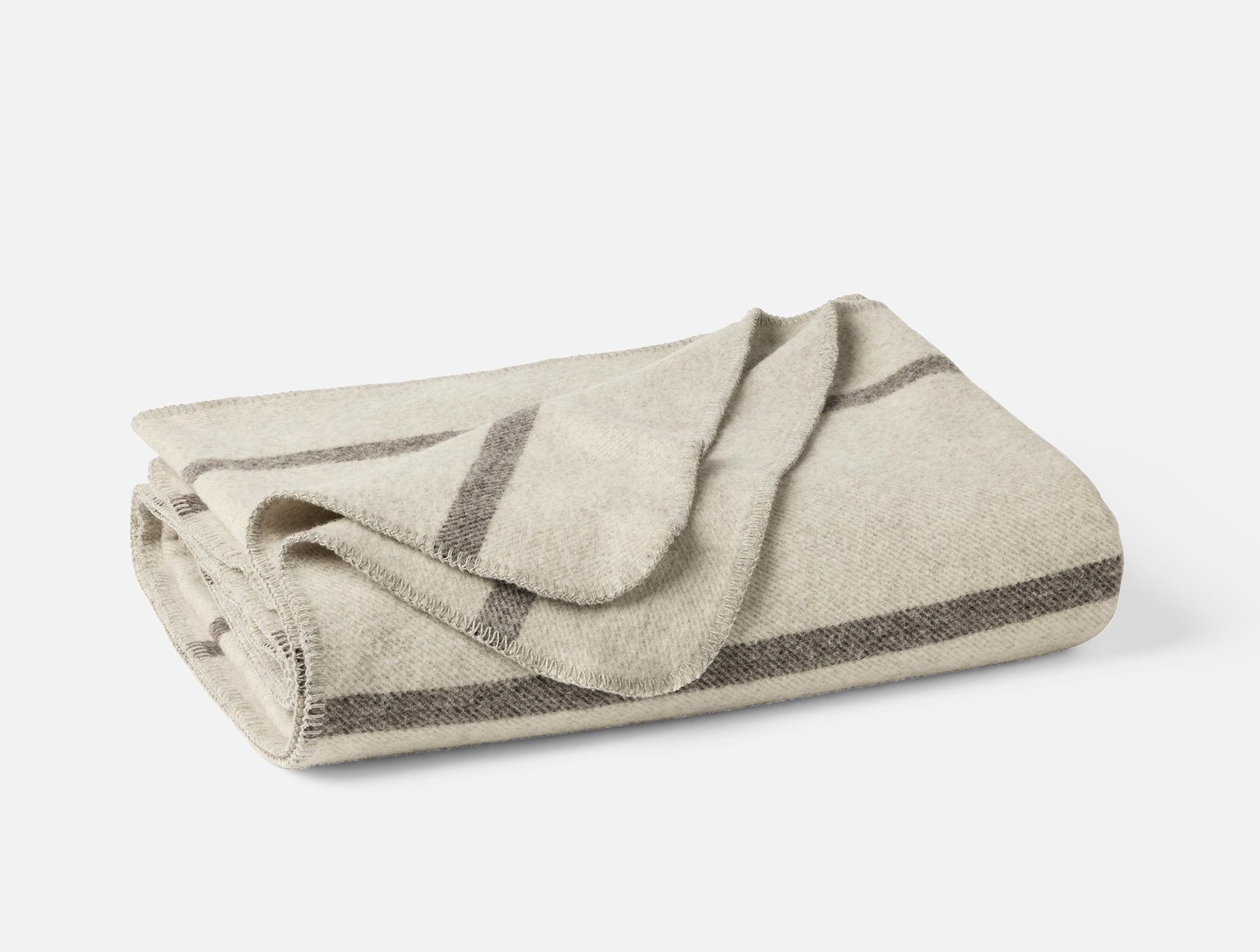
Tahoe Wool Blanket
100% NATIVA Regen-Shaniko Wool; fully traceable; produced in the U.S. Woven in a historic mill with charcoal heather stripes.
Price: $698.00
Material Comparisons: Quick at-a-glance
Here’s a concise comparison to guide quick decisions when you’re short on time but want to make a confident selection.
-
Cashmere Hat
Pros: Unmatched softness, featherlight warmth, refined texture. Cons: Higher cost, requires careful care, potential for pilling. -
Wool Hat
Pros: Durable, versatile, easier to care for in many blends. Cons: Heavier than cashmere, may feel less luxurious on bare skin.
When shopping, consider blends that balance the best of both worlds. For example, cashmere–wool blends can offer the softness of cashmere with the resilience of wool, delivering practical luxury for daily wear.
Historical Context: Three Time-Period Voices
To further enrich the guide, we reflect on how scholars and designers across time appreciated fiber choices for headwear and textiles more broadly. The voices above illuminate a lineage that informs today’s editorial perspective on cashmere and wool hats.
- Early 19th Century Thinkers: The era’s sartorial codes leaned toward refined wool and delicate textiles, setting a standard for understated luxury that would echo through later hat design.
- Mid-20th Century Luxury: The couture revolution elevated cashmere to a premier luxury fiber, shaping modern perceptions of softness, warmth, and status in accessories including hats.
- Early 21st Century Sustainability: A shift toward responsible sourcing and transparent supply chains has influenced consumer preferences, making ethical considerations as central as tactile appeal when evaluating premium fibers.
Conclusion: A Thoughtful Path to Luxury and Longevity
Choosing between cashmere and wool hats is less about one being inherently better than the other and more about context, use case, and personal care philosophy. For readers aligned with a knowledge-first, non-commercial ethos—as the Cashmere Hat guide suggests—investing in a cashmere hat for occasional luxury and a wool hat for daily resilience offers a balanced wardrobe of headwear that remains relevant across seasons and evolving fashion trends.
As a practical matter, always prioritize care that preserves texture and shape. When a hat is constructed from premium fibers, the difference in longevity can be dramatic, and the reward is a refined, enduring accessory that grows more meaningful with time.